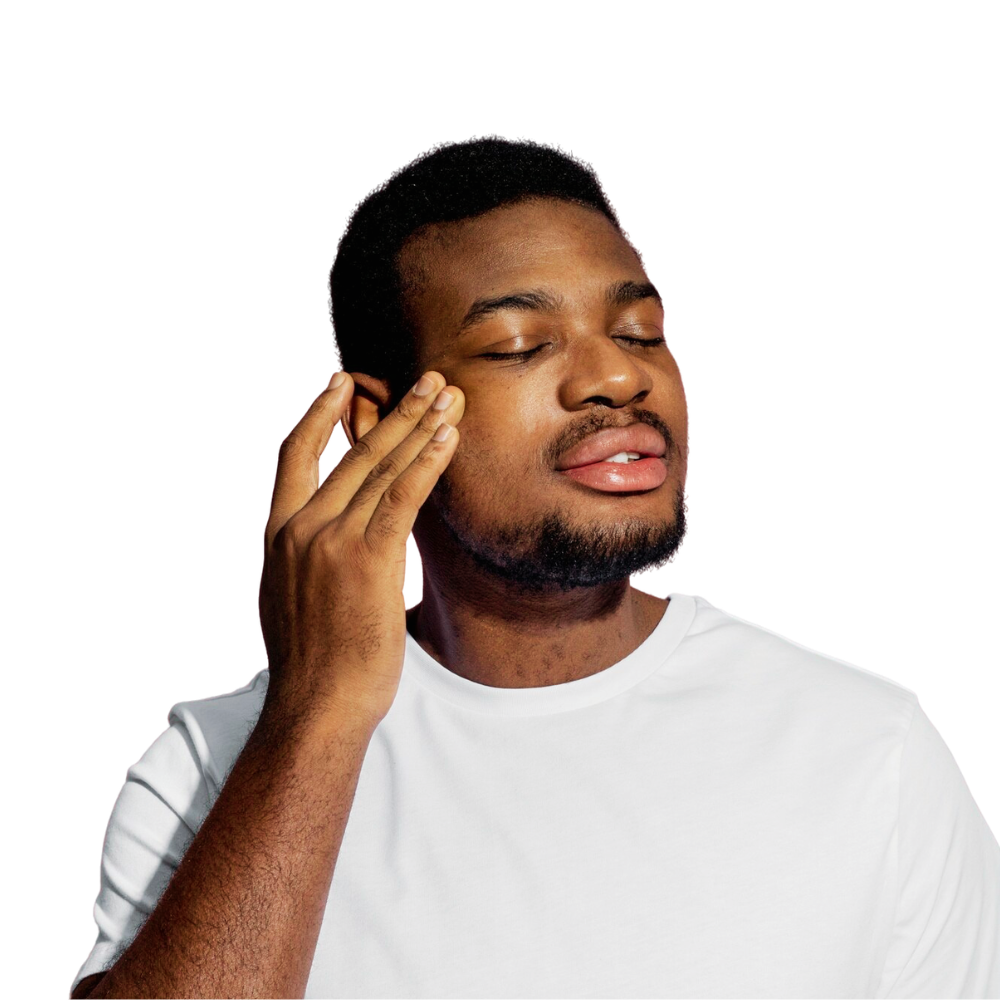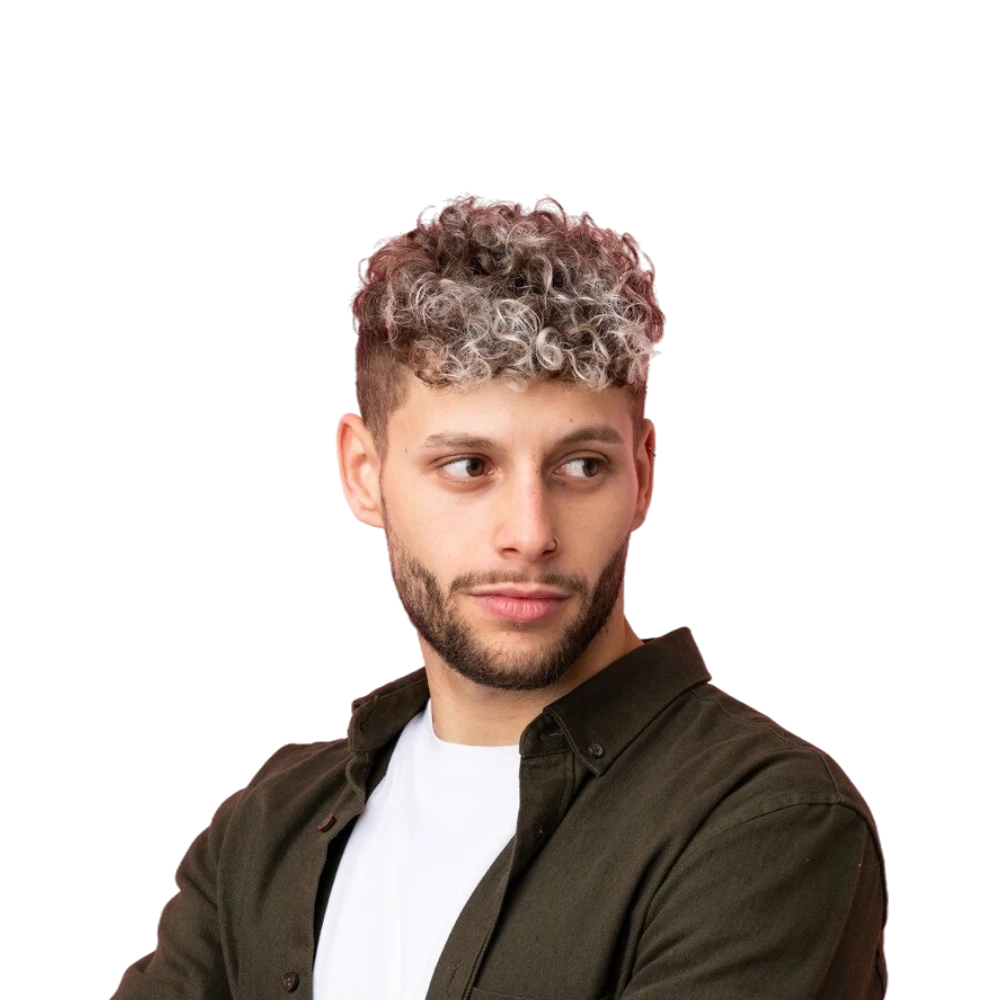

Beard Hair Growth Treatment
How to Improve Patchy or Sparse Facial Hair
Beard Hair Growth Treatment has become increasingly popular as more men look to improve sparse, uneven or patchy facial hair. While genetics largely determine beard density, biology still plays a role in follicle performance. Therefore, understanding what limits growth helps you choose realistic solutions.
At our clinic, beard restoration focuses on follicle stimulation and scalp-level regeneration rather than temporary cosmetic thickening. Treatments aim to improve the environment in which facial hair grows.
Why Beards Grow Patchy
Patchy beard growth is common. In many cases, the issue is not the absence of follicles but reduced follicle activity.
Several factors influence beard density:
- Genetics and androgen sensitivity
- Dihydrotestosterone (DHT) receptor distribution
- Inflammation within the skin
- Reduced microcirculation
- Follicles in prolonged resting phase
Importantly, some follicles may be miniaturised rather than permanently inactive. As a result, targeted stimulation can sometimes improve thickness and coverage.
Beard Hair Growth Treatment Explained
Beard Hair Growth Treatment focuses on activating dormant or underperforming follicles. Rather than adding artificial hair, regenerative therapy encourages existing follicles to re-enter the growth phase.
Hair grows in cycles:
-
Anagen (growth phase)
-
Catagen (transition)
-
Telogen (resting phase)
If follicles remain in telogen longer than expected, density appears reduced. Therefore, treatment aims to stimulate anagen re-entry.
Regenerative Options for Beard Enhancement
Laser-assisted Beard Hair Growth Treatment
Fractional laser therapy improves microcirculation and growth factor release within the skin. Consequently, the follicle environment becomes more supportive of growth.
Laser-assisted delivery also enhances penetration of biologic agents.
Exosome Therapy Beard Hair Growth Treatment
Exosomes contain signalling proteins and growth factors that influence cellular repair. In hair-focused research, they have shown potential to:
- Stimulate dermal papilla activity
- Improve follicle cycling
- Reduce inflammatory signalling
When applied to beard areas, exosomes may support improved density where follicles remain viable.
Microneedling Beard Hair Growth Treatment
Microneedling creates controlled micro-injury, which triggers wound-healing pathways. As a result, collagen production increases and follicle signalling may improve.
This approach can be particularly helpful for patchy zones where follicles appear miniaturised.
Who Is Suitable for Beard Hair Growth Treatment?
Beard Growth Treatment may suit you if:
- Your beard is patchy rather than completely absent
- Growth slowed after stress or inflammation
- You want improved density without transplant surgery
- You are in your 20s–40s with viable follicle presence
However, if no follicles exist in a region, stimulation alone will not create new ones. In such cases, transplant surgery may be the only definitive option.
Assessment determines the difference.
What Results Can You Expect?
Beard growth treatments work gradually because hair cycles take time. Typically, early changes appear after 8–12 weeks.
You may notice:
- Improved thickness
- Faster regrowth after shaving
- Reduced patch visibility
- Increased uniformity
Results vary depending on genetics and baseline follicle health. Therefore, realistic planning matters.
Beard Growth vs Testosterone Myths
Low beard density does not automatically mean low testosterone.
Facial hair growth depends more on androgen receptor sensitivity than hormone levels alone. Consequently, most men with patchy beards have normal testosterone.
For this reason, systemic hormone manipulation is rarely appropriate unless medically indicated.
Safety Considerations
Regenerative beard treatments are generally well tolerated when delivered in a clinical setting. Temporary redness or mild sensitivity may occur.
Importantly, these treatments do not alter hormone levels. Instead, they focus locally on follicle environment optimisation.
Final Thoughts
Beard density is influenced by genetics, hormones and follicle biology. Although not every patch can be corrected, Beard Hair Growth Treatment may improve thickness and uniformity where follicles remain viable.
If you are frustrated by sparse growth or uneven coverage, consultation helps determine whether stimulation or transplant offers the best path forward.
Beard enhancement should be biological, not cosmetic camouflage.