Skip to content




What is DermalTX™?
Clearer-looking skin. Smoother texture. Renewed firmness.
DermalTX™ is our signature treatment for improving skin quality. Combining radiofrequency microneedling with fractional thulium laser, it brings together deeper collagen stimulation and surface renewal in a personalised treatment plan.
From active acne and the marks it leaves behind to uneven tone, visible pores and early loss of firmness, DermalTX™ addresses concerns that often occur together. Every treatment begins with understanding your skin, your priorities and how your skin responds.
Your skin can experience several concerns at once. Breakouts may leave pigmentation and scarring. Sun damage can affect both tone and texture. As collagen declines, fine lines and reduced firmness may become more noticeable.
DermalTX™ combines two complementary approaches to address these changes at different skin depths. Radiofrequency microneedling delivers controlled energy into the dermis to encourage collagen remodelling. Fractional thulium laser targets more superficial concerns, helping refine texture and improve the appearance of uneven tone.
At Continental Skin Clinic, we tailor these components around your skin’s condition. The treatment intensity, areas treated and timing are selected individually, with your recovery and long-term skin goals in mind.
What can DermalTX™ help with?
DermalTX™ may be considered for active acne and recurring breakouts where clinically suitable, acne scarring, uneven texture, visible pores, post-acne marks and selected pigmentation concerns. It may also help improve dullness, fine lines, crepey texture and mild skin laxity.
Your consultation establishes which concerns are suitable for treatment and whether other care should form part of your plan.
Active acne and recurring breakouts
Treating acne starts with understanding the type of breakouts you are experiencing, their severity and the condition of your skin.
DermalTX™ can form part of a personalised care plan for selected patients with active acne. We assess inflammation, skin sensitivity, current medication and previous treatment before deciding how and when to proceed. Inflamed areas may need to be avoided, and treatment may be postponed until your skin is ready.
Where appropriate, your plan may include prescribed acne treatment and supportive skincare. As breakouts settle, the focus can shift towards the marks, scarring and uneven texture they leave behind.
Acne scars, texture and visible pores
Even after acne improves, changes in texture can remain. DermalTX™ supports collagen remodelling to help soften the appearance of selected acne scars, while surface renewal can improve overall smoothness.
Treatment may also make enlarged pores less noticeable, although pores are a normal part of the skin and cannot be permanently closed.
Different scars require different approaches. Deep or tethered scars may need additional treatment, which we discuss during your assessment.
Uneven tone, post-acne marks and dullness
A clearer-looking complexion depends on both texture and tone. DermalTX™ can address selected superficial pigmentation concerns alongside roughness and dullness.
We assess the cause of discolouration before recommending treatment. Brown post-acne marks, persistent redness and melasma are different concerns and may need different care.
For pigmentation-prone skin, careful treatment selection and ongoing sun protection are particularly important.
Fine lines, firmness and crepey skin
Changes in collagen can leave skin feeling less firm and make fine lines more visible.
The radiofrequency component of DermalTX™ encourages collagen remodelling within the skin. Combined with surface refinement, this may gradually improve the appearance of mild laxity, fine lines and crepey texture.
The aim is a natural improvement in skin quality. The degree of change depends on your starting point and response to treatment.
How your DermalTX™ treatment is personalised
We begin with a consultation covering your concerns, medical history, skincare, medication and previous procedures. We assess active inflammation, pigmentation, scarring and skin firmness to identify your treatment priorities.
Your practitioner selects the areas, settings and treatment schedule appropriate for your skin. The two components are coordinated according to your needs and capacity to recover.
Reviewing your response allows us to adjust your plan as your priorities evolve, whether that means managing ongoing breakouts or focusing on residual marks and texture.
What happens during treatment?
Your skin is cleansed and prepared, and numbing cream may be used to improve comfort.
During treatment, you may feel warmth, prickling or discomfort. Sensation varies according to the area and intensity of treatment.
Afterwards, we explain how to care for your skin, which products to use and when to resume your usual skincare and activities.
Recovery and results
Allow time for your skin to recover. Temporary redness, swelling, tenderness, dryness, flaking and a rough skin texture can occur. Recovery varies with the treatment area, intensity and your individual healing response.
Surface changes may become noticeable after the initial healing period. Improvements associated with collagen remodelling develop more gradually over the following weeks and months.
A course may be recommended, with the number and spacing of sessions determined during consultation. Results vary, and ongoing acne care, appropriate skincare and sun protection may be needed to maintain progress.
Frequently asked questions
Can I have DermalTX™ with active acne?
In selected cases, yes. We first assess the type and severity of your acne and review any medication. Some breakouts or inflamed areas may require a different approach before treatment. DermalTX™ can form part of a broader acne management plan where appropriate.
Can it address acne and acne scars in the same plan?
Yes, although the priorities and timing may differ. Controlling ongoing acne is important when planning treatment for scarring. Your practitioner will decide which areas can be treated and whether treatment should be staged.
Is DermalTX™ suitable for darker skin?
It may be suitable following individual assessment. Darker skin tones can be more prone to pigmentation changes after procedures, so settings, preparation and aftercare require careful consideration. No treatment is free from pigmentation risk.
Can DermalTX™ treat the neck or body?
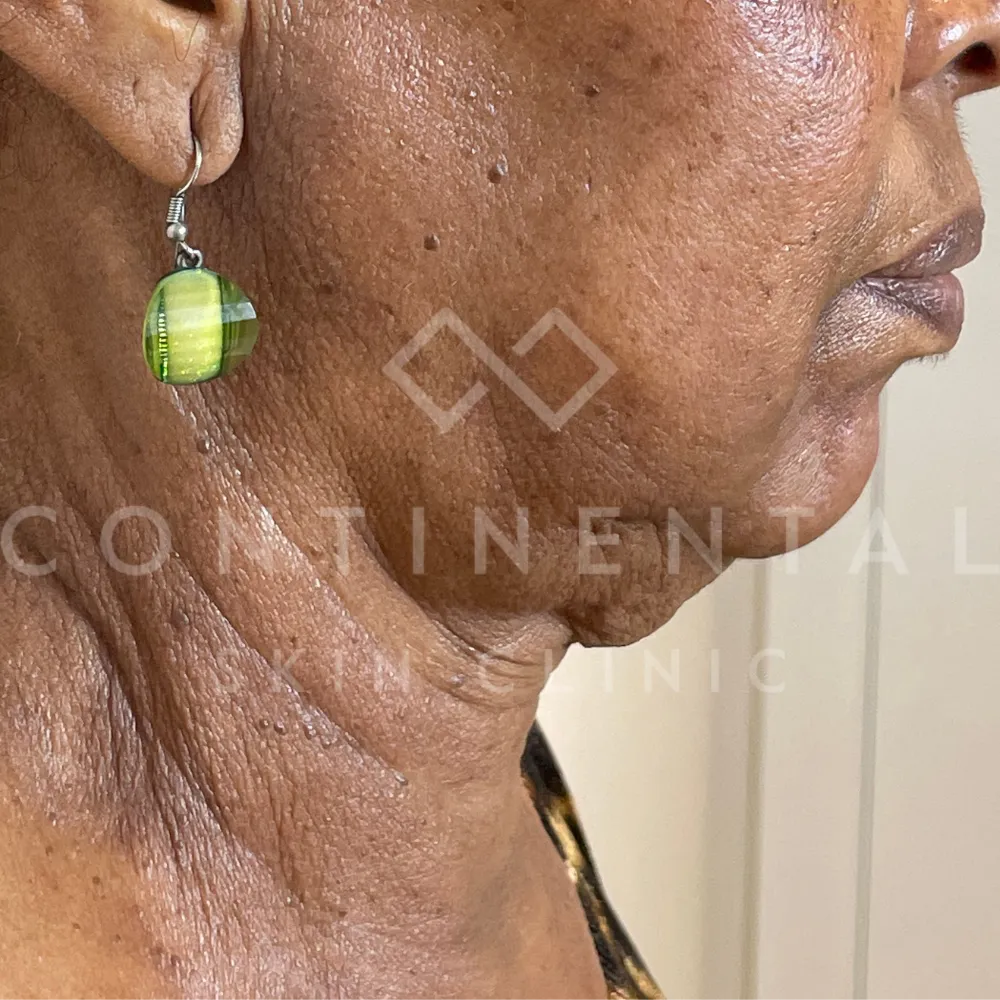
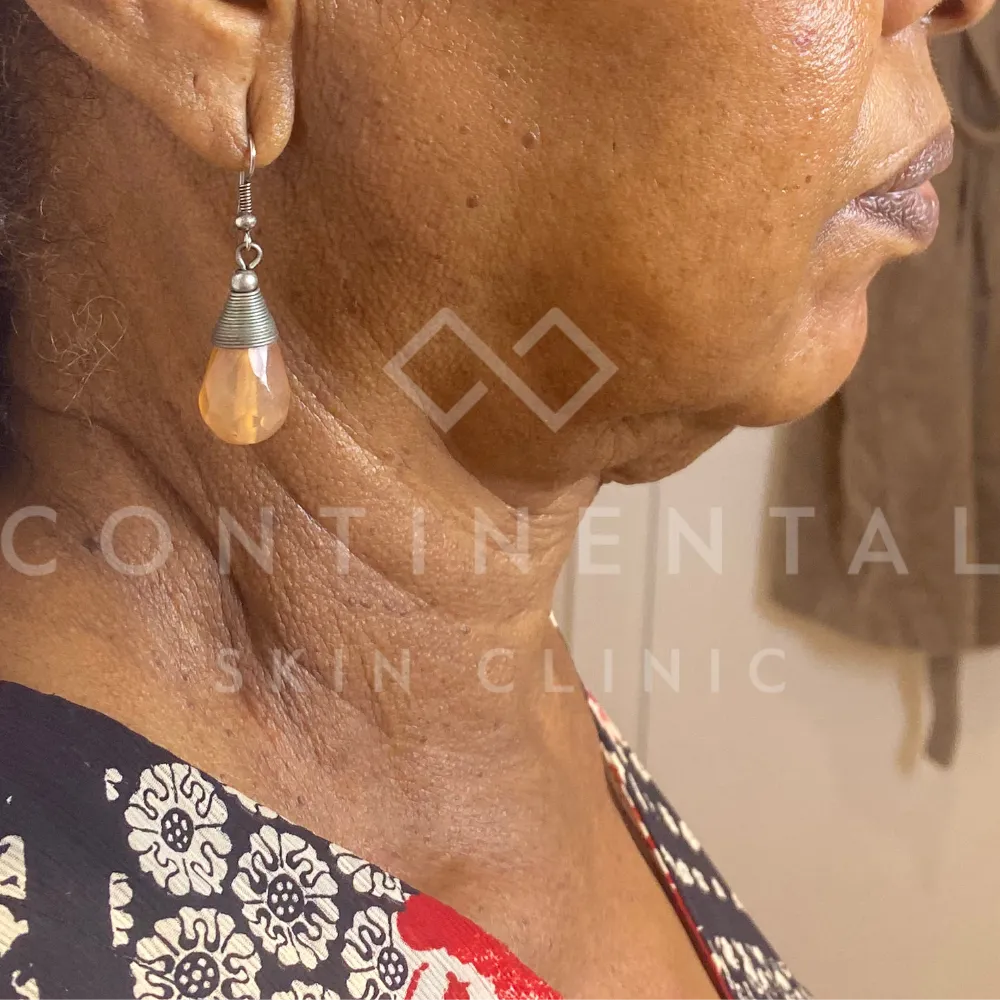
Selected areas may be considered after consultation. Skin thickness, the concern being treated and healing behaviour vary across the face and body, so your plan is adapted accordingly.
How many sessions will I need?
This depends on your concerns, their severity and how your skin responds. We recommend a treatment schedule following assessment and review progress before advising further sessions.
Are there risks?
Possible complications include infection, pigment changes, burns and scarring. Serious complications reported with certain uses of radiofrequency microneedling include fat loss and nerve injury. Your practitioner will explain relevant risks, suitability and alternatives before you decide to proceed.
How long do results last?
Results vary according to the concern treated, your skin’s response and ongoing factors such as acne activity, ageing and sun exposure. Maintenance treatment may be considered following review.
Start your DermalTX™ journey
Whether your priority is active acne, smoother texture, more even tone or improved firmness, start with a personalised skin assessment at Continental Skin Clinic in King’s Cross, London.
We will help you understand what DermalTX™ can offer your skin and create a plan around your needs.