Skip to content

CryoPen & Cauterisation in London
Benign Skin Lesion Removal Without Cutting or Stitches
At our doctor-led aesthetic clinic, CryoPen & Cauterisation safely remove benign skin lesions with precision and minimal downtime. Because many surface lesions develop over time due to ageing, friction or sun exposure, they can become cosmetically bothersome. As a result, you may want to improve their appearance without surgery.
We use CryoPen cryotherapy and medical cautery to remove lesions without cutting or stitches. Therefore, healing stays straightforward and disruption to your routine remains minimal.
CryoPen & Cauterisation: Lesions We Commonly Remove
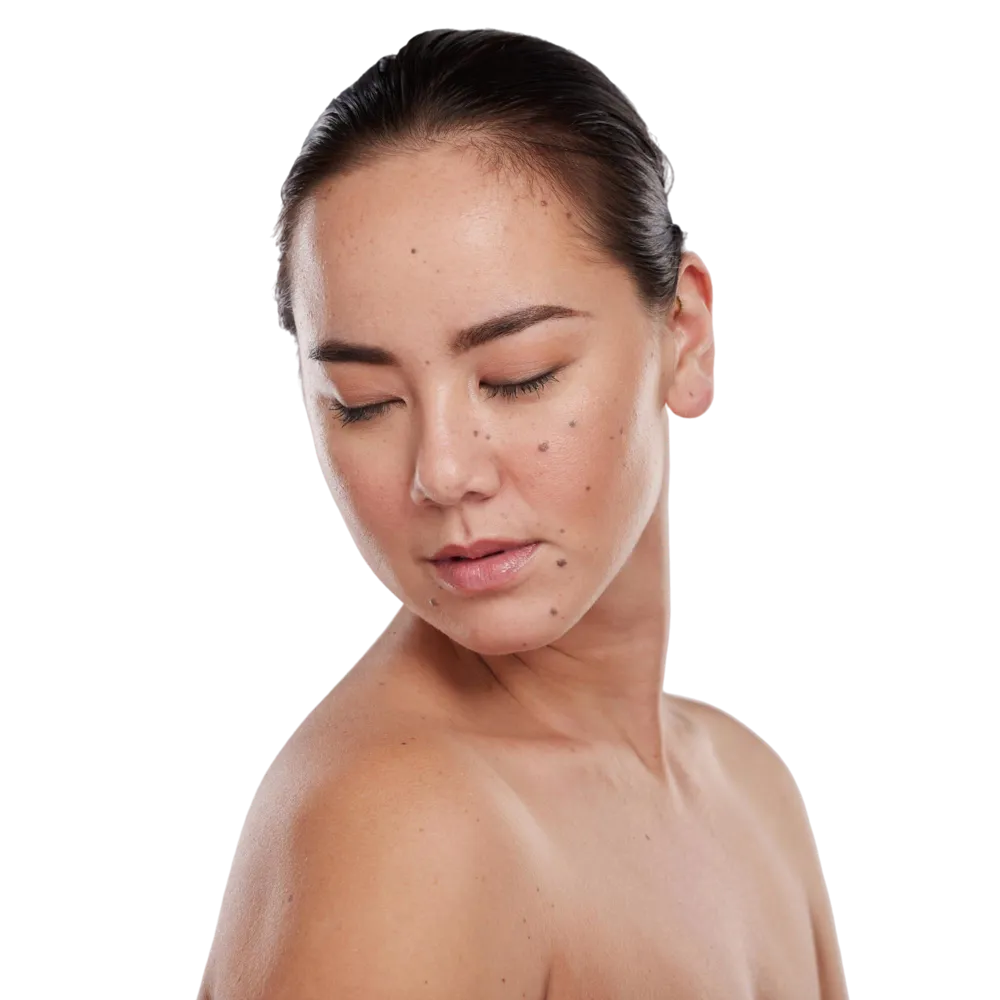
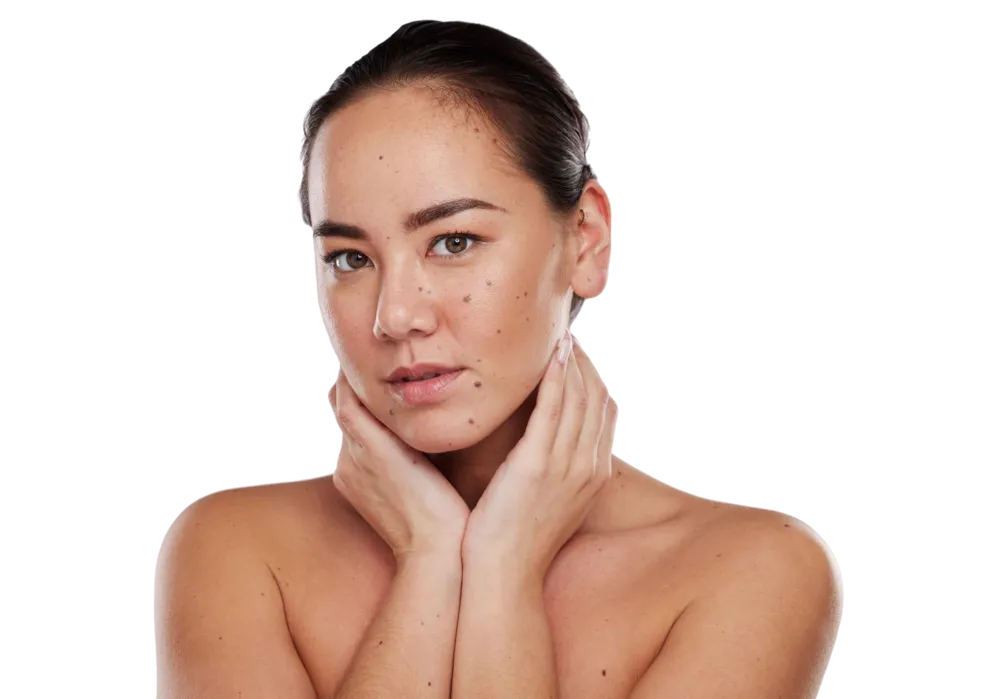
Benign lesions are common. However, they can increase with age, hormonal shifts or genetic predisposition. In addition, friction and sun exposure can influence their development.
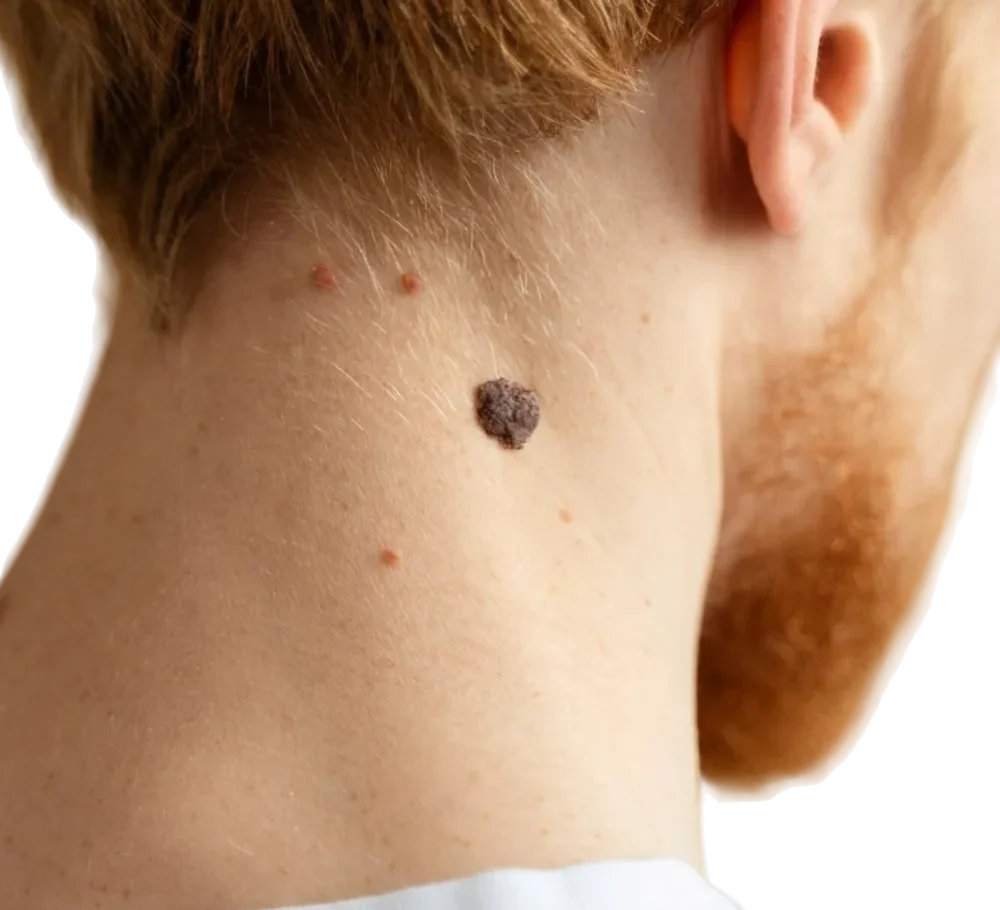
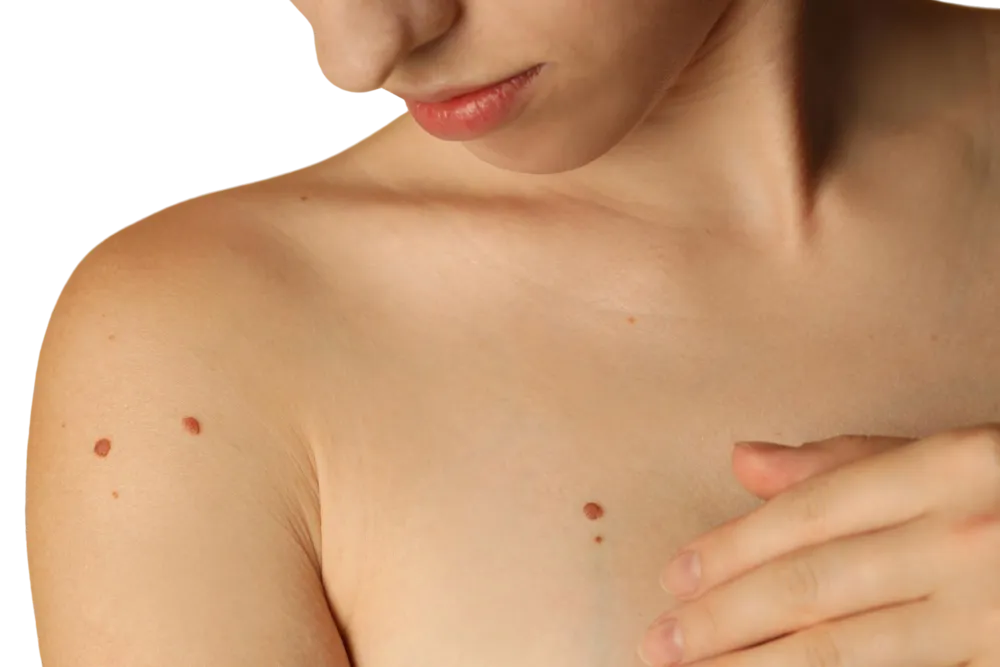
CryoPen & Cauterisation can improve the appearance of:
- Skin tags
- Milia
- Cherry angiomas
- Age spots
- Xanthelasma
- Fordyce spots
- Seborrhoeic keratoses
Although these lesions are typically harmless, they can catch on clothing or affect confidence. Therefore, many clients choose professional removal.
CryoPen Cryotherapy vs Cauterisation: How We Choose
CryoPen uses controlled cryotherapy to freeze and break down unwanted tissue. Cauterisation uses precise heat to remove the lesion cleanly.
Because each lesion varies in depth, size and structure, your clinician selects the most suitable method at assessment. Therefore, treatment remains targeted and tissue disruption stays minimal.
We keep specific device settings and technical steps within our internal clinical standards.
Safety First: CryoPen & Cauterisation for Benign Lesions Only
We remove benign lesions only. Therefore, if a lesion looks mole-like or pigmented, we require written confirmation from your GP or Consultant Dermatologist that it is benign.
We do not diagnose lesions in clinic. Because safety remains the priority, medical clearance ensures appropriate management and avoids delay in specialist review when needed.
What You Can Expect After CryoPen & Cauterisation
Treatment is usually quick and well tolerated. You may feel mild stinging during the procedure. However, discomfort typically settles rapidly.
Afterwards, the area may darken or form a small scab before clearing. As a result, the lesion resolves over days to weeks depending on its size and depth.
Most clients return to normal activity immediately. In addition, aftercare guidance supports clean healing and lowers irritation risk.
Book Your Consultation
We begin with a clinical assessment to confirm suitability and select the best approach. We then explain healing time and aftercare clearly.
Book your consultation to discuss CryoPen & Cauterisation for safe, precise benign skin lesion removal.