Skip to content



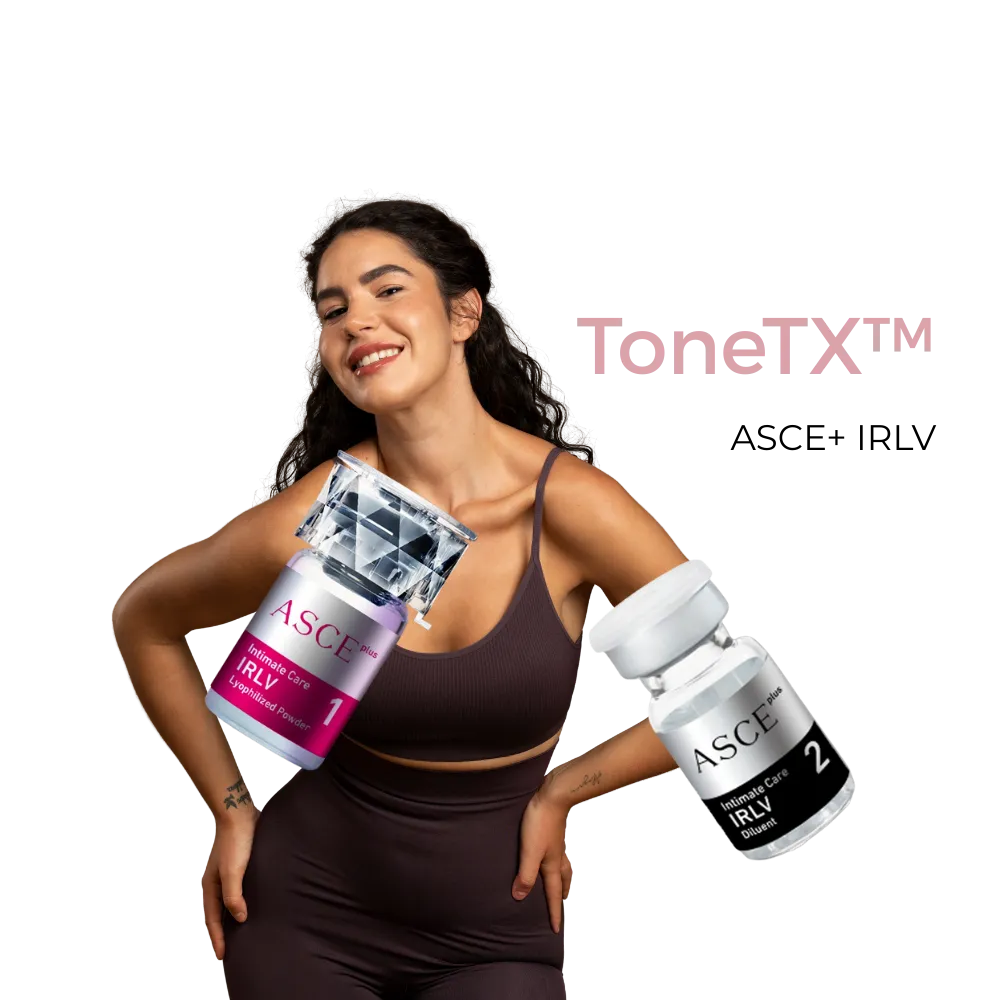
ToneTX™ Intimate Brightening in London
Advanced Protocol for Intimate Hyperpigmentation
ToneTX™ Intimate Brightening is our advanced medical protocol designed to improve intimate hyperpigmentation safely and progressively. Because the skin in intimate areas reacts strongly to hormones, friction and hair removal, darkening is extremely common. As a result, the bikini line, groin, inner thighs and underarms can appear uneven or darker over time.
Intimate bleaching is a common search term for intimate brightening. However, our focus stays on improving hyperpigmentation safely rather than “bleaching” skin. Therefore, ToneTX™ Intimate Brightening supports gradual clarity, even tone and skin stability across all Fitzpatrick skin types.
At our London clinic, ToneTX™ Intimate Brightening combines laser technology, controlled exfoliation and structured homecare. Therefore, you receive a comprehensive plan that supports gradual brightening while protecting skin stability.
Why Intimate Hyperpigmentation Develops
Intimate hyperpigmentation develops for multiple reasons. Therefore, identifying your triggers allows us to create a safe and effective pathway.
- Genetics – Some skin types naturally hold more pigment in intimate areas, particularly melanin-rich complexions.
- Friction and Rubbing – Clothing, movement, workouts and skin folds increase inflammation. Because inflammation stimulates melanocytes, pigment production rises. In addition, excess weight can intensify friction. Reducing friction may involve weight management, medical weight loss support or softer clothing choices.
- Hormonal Influence – Hormones can overstimulate melanocytes. As a result, darkening may appear during pregnancy, with PCOS or while using hormonal contraception.
- Hair Growth and Hair Removal – Dark hair follicles create visible shadowing beneath the skin. Repeated shaving, waxing and ingrown hairs increase inflammation, so pigmentation can worsen. For this reason, permanent hair removal often supports long-term clarity.
- Skin Folds and Shadowing – Melanin-rich skin may look darker where folds overlap. However, this can reflect shadow rather than true pigment excess.
- Lifestyle and Homecare – Harsh products, inadequate exfoliation and poor hydration disrupt skin turnover. Therefore, consistent pigment-supportive homecare remains essential.
How ToneTX™ Intimate Brightening Works
ToneTX™ Intimate Brightening uses a refined multi-modality approach. Because pigmentation sits at different skin depths, we target it strategically at each level.
Your plan may include:
- Advanced laser technology to regulate pigment
- Controlled chemical exfoliation to increase cell turnover
- Laser-assisted drug delivery using LaseMD Ultra
- Targeted brightening infusions
- Structured medical-grade homecare
By combining these elements, ToneTX™ Intimate Brightening supports pigment regulation, barrier repair and long-term stability. Rather than using aggressive methods, we prioritise controlled, progressive improvement.
The protocol has been developed through years of clinical experience and optimised for safety across all Fitzpatrick skin types, including darker and melanin-rich complexions.
Why Skin Stability Matters
Inflammation drives further pigmentation. Therefore, aggressive treatments can worsen the concern you are trying to improve. With ToneTX™ Intimate Brightening, we focus on gradual brightening while maintaining barrier integrity.
As a result, downtime remains minimal and the risk of rebound pigmentation reduces. Skin health remains central throughout the process.
Additional Areas We Improve
- Knees and Elbows – Knees and elbows darken because of friction, repeated bending and dryness. Over time, the skin thickens and texture becomes rough. We apply our hyperpigmentation method to improve tone and refine texture safely.
- Underarm Hyperpigmentation – Underarms often darken due to shaving, ingrown hairs, deodorant irritation and dense follicles. Therefore, we strongly recommend laser hair removal to prevent recurrence and eliminate follicle shadowing.
What You Can Expect from ToneTX™ Intimate Brightening
Results develop gradually. Because pigment regulation requires controlled stimulation, improvement appears progressively over a structured course.
You can expect minimal downtime and a focus on long-term stability. Maintenance homecare plays a key role in sustaining results.
Book a ToneTX™ Intimate Brightening Consultation
We begin with a detailed assessment of your skin tone, triggers and medical history. We then design a personalised ToneTX™ Intimate Brightening plan aligned with your skin type and goals.
Book your consultation to explore advanced intimate brightening designed for safe, progressive and lasting improvement.