Laser Assisted Drug Delivery
Why it has become central to modern skin treatments
Laser Assisted Drug Delivery has become a cornerstone of modern skin treatments because it helps active ingredients reach meaningful depth. Your skin acts as a barrier, so most topical skincare stays superficial. As a result, only a small percentage of actives penetrates far enough to influence collagen, pigment pathways or follicle behaviour.
This approach changes that. By combining fractional laser energy with targeted topicals, absorption increases significantly. Therefore, results become more predictable and more clinically relevant.
Why topical skincare has limits
Under normal conditions, your skin blocks external substances. That protection keeps you safe, but it also restricts penetration. Even medical-grade serums struggle to reach the dermis, where collagen activity, pigmentation pathways and follicles sit. Consequently, deeper concerns often remain unchanged.
How Laser Assisted Delivery works
The protocol uses fractional laser energy to create microscopic thermal channels. First, controlled heat supports renewal and improves tone and texture. Next, the channels act as temporary pathways that allow active ingredients to move deeper. Because these pathways bypass the surface barrier, uptake increases dramatically. As a result, actives reach deeper layers instead of sitting on the surface.
Laser Assisted Drug Delivery vs microneedling
Many clinics use microneedling to enhance absorption, but depth and coverage can vary. In contrast, laser energy distributes evenly, so coverage stays consistent. Therefore, absorption improves while unnecessary trauma reduces.
Laser Assisted Drug Delivery with thulium laser technology
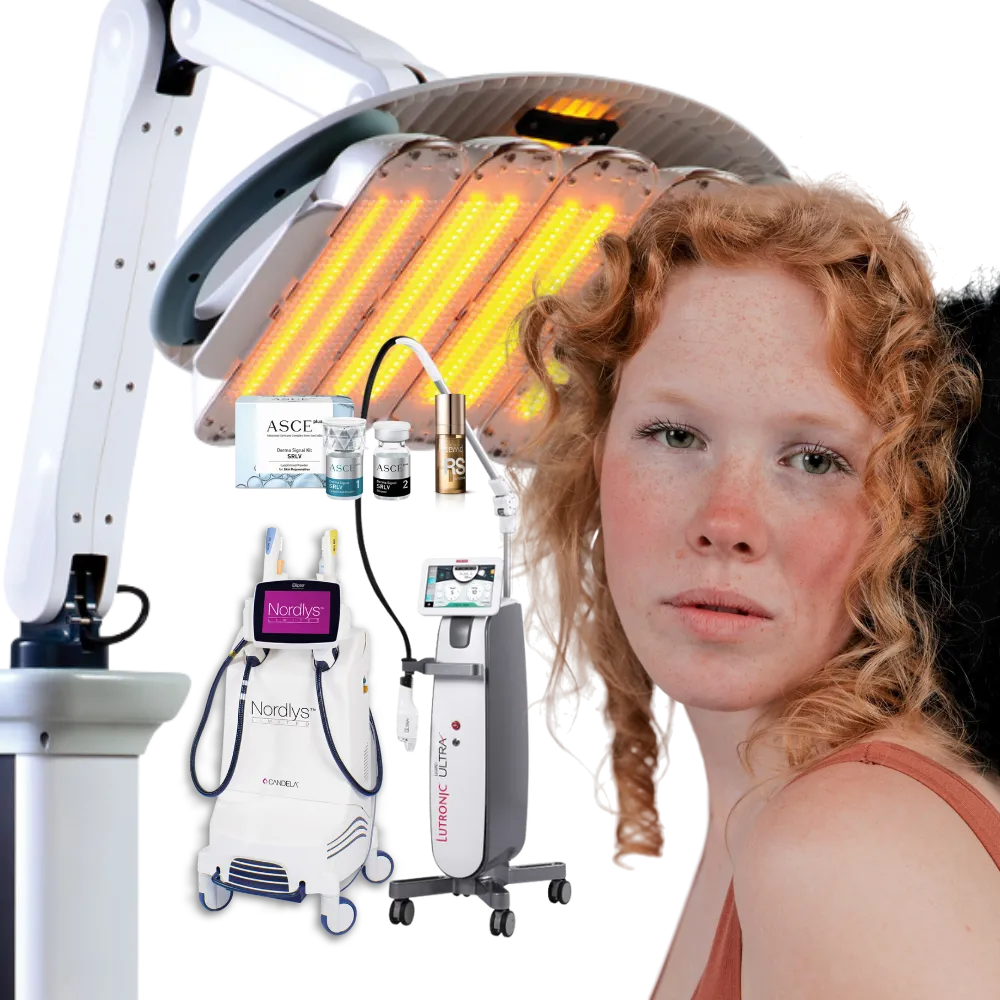
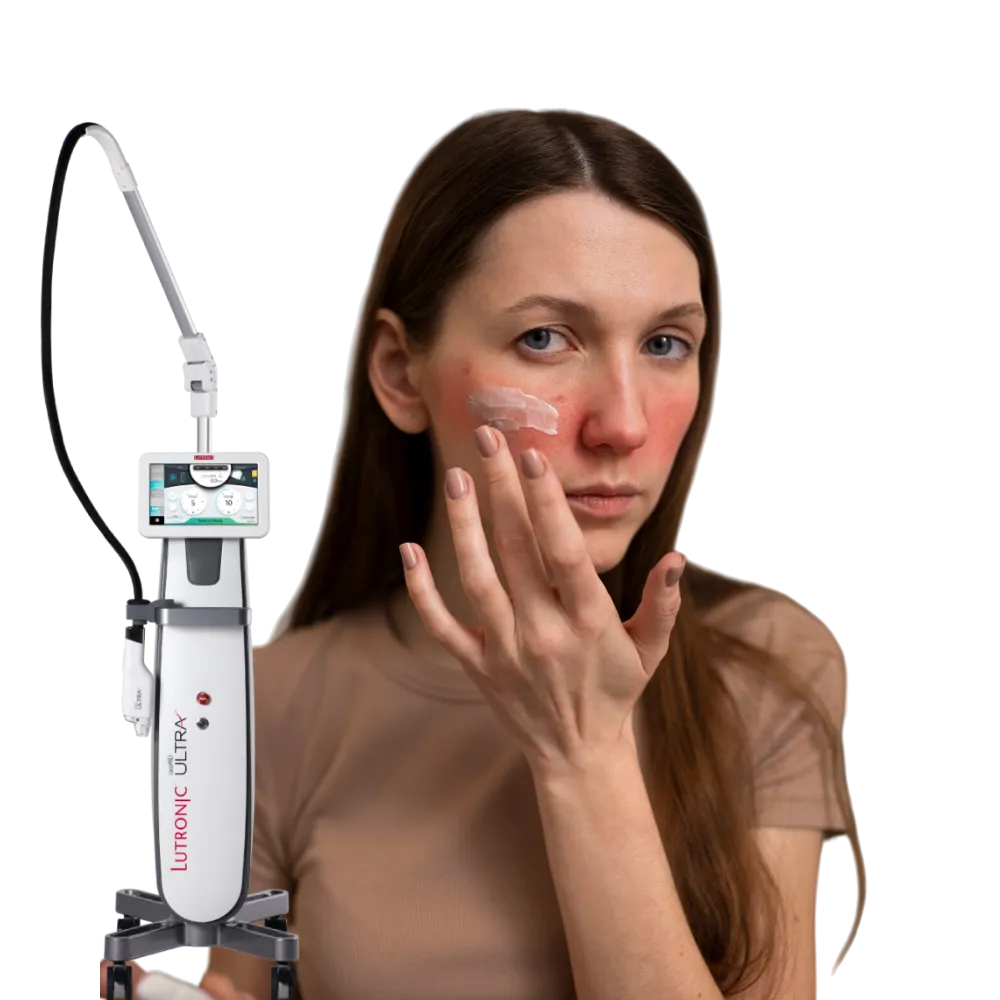
We use a thulium-based fractional laser from Lutronic, specifically LaseMD Ultra. The device creates controlled, superficial channels while keeping downtime low. Importantly, it suits all skin tones and works across the face, body and scalp when settings are selected correctly.
Actives used with Laser Assisted Drug Delivery
After the laser step, practitioners apply targeted actives immediately. Depending on your goals, this may include Vitamin A, Vitamin C, tranexamic acid or resveratrol. For regenerative protocols, exosomes can also reach the follicular environment more effectively than topical application alone. Because this method improves depth and uniformity, we use it for exosome delivery instead of microneedling.
Where Laser Assisted Drug Delivery can be used
This approach adapts well across multiple areas, including the face and neck, eye area, body, scalp and intimate zones. Because delivery remains controlled, it suits delicate skin with low downtime.
Combining Laser Assisted Drug Delivery with other treatments
It integrates easily with other procedures. It pairs well with radiofrequency treatments, facials and additional laser protocols. In addition, LED light therapy can be applied afterwards to calm inflammation and support recovery.
What to expect next
If you want deeper results from active ingredients, this method may be the missing step. A consultation allows assessment, goal-setting and selection of the most suitable actives. From there, we build a structured plan that supports long-term skin health rather than short-term surface improvement.