Skip to content

PRP Hair Treatment
How platelet-rich plasma supports hair restoration
Hair thinning and hair loss affect confidence more than most people expect. You may notice shedding, reduced density or a widening part that feels difficult to control. Because hair loss often has multiple causes, effective treatment needs a biological, not cosmetic, approach. At our clinic, PRP hair treatment forms part of a medically led strategy to support hair growth and scalp health. Below, you’ll find a clear explanation of how PRP works, who it may suit and what results can realistically look like.
What Is PRP?
PRP stands for platelet-rich plasma. It is derived from your own blood.
During treatment, we take a small blood sample and process it to concentrate platelets and bioactive components. This concentrated plasma contains growth factors and signalling molecules that play a role in tissue repair and regeneration.
Because PRP uses your own biological material, it integrates naturally with your scalp environment.
How PRP Hair Treatment Works
PRP supports hair growth by targeting the scalp and hair follicles directly.
Growth factors within PRP help stimulate follicle activity, improve blood supply and support the hair growth cycle. As a result, follicles may remain in the growth phase for longer, while shedding can slow.
In addition, PRP helps improve scalp health. A healthier scalp environment supports stronger, thicker hair over time.
PRP does not create new follicles. Instead, it works to revitalise existing ones that have become weak or dormant.
PRP for Pattern Hair Loss
If you experience androgenetic alopecia, PRP can play a supportive role.
In men with pattern hair loss, PRP may help stimulate weakened follicles, improve hair shaft thickness and slow further thinning. Existing hairs often appear stronger and more resilient, which can improve overall density.
PRP works best when hair follicles remain present but underperforming. Early intervention often delivers better outcomes.
Why Hair Can Look Thicker After PRP
Density improves through several mechanisms.
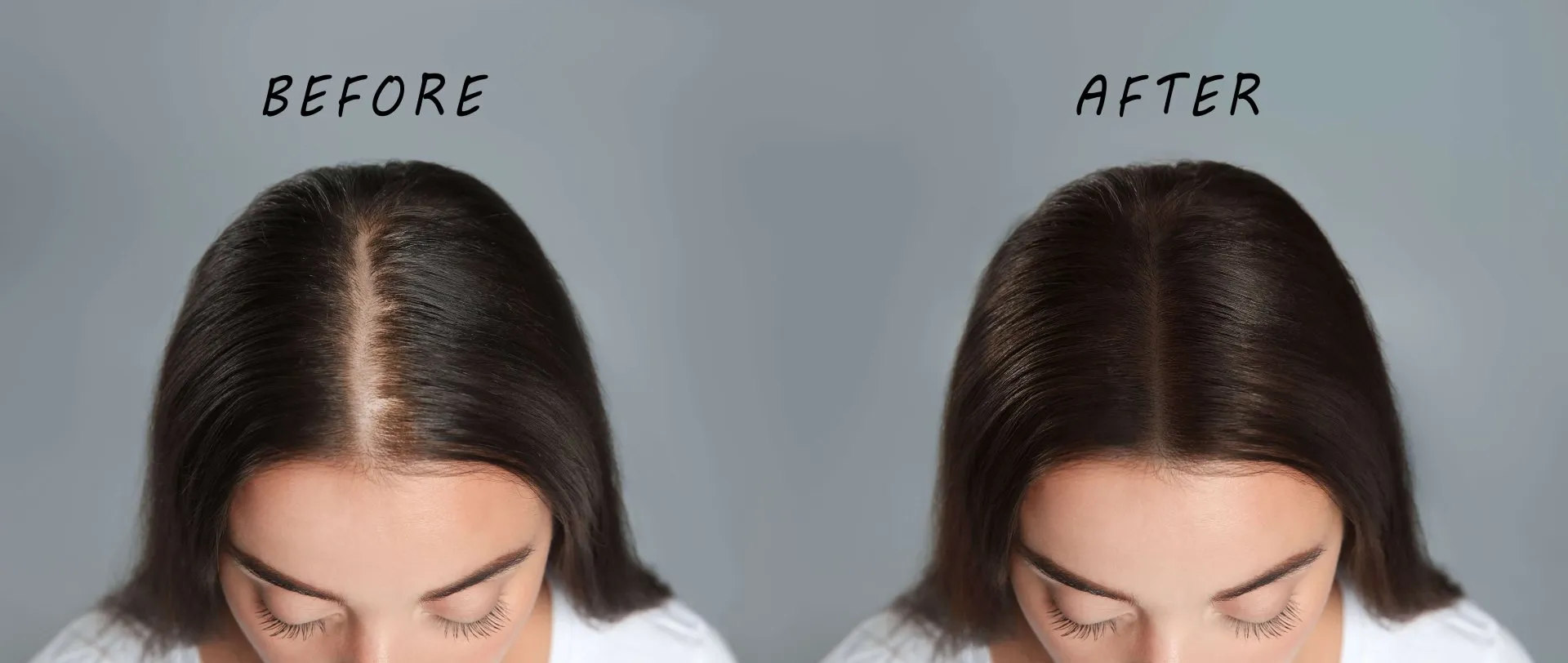
PRP can reduce excessive shedding, strengthen the hair shaft and improve follicle output. When breakage reduces and new growth appears, hair often looks fuller and healthier.
These combined changes contribute to visible improvement, even without dramatic regrowth.
PRP and Stress-Related Hair Loss
Stress can disrupt hair growth cycles. Nutritional depletion, hormonal shifts and inflammatory signals often contribute to shedding during stressful periods.
PRP supports follicle nutrition and scalp recovery. By improving the local environment around the follicle, PRP can help counter stress-related hair loss and support regrowth once the trigger settles.
What to Expect from PRP Hair Treatment
PRP works gradually. You should not expect immediate regrowth.
Most people notice reduced shedding first, followed by improved texture and density over several months. Results vary based on hair loss type, scalp health and consistency of treatment.
PRP usually forms part of a treatment course rather than a one-off session.
Is PRP Right for You?
PRP may suit you if:
- You notice early or moderate hair thinning
- Your hair loss relates to genetics, stress or hormonal change
- You want a non-surgical, biologically based treatment
PRP may not suit advanced hair loss where follicles are no longer active. In these cases, alternatives such as exosomes for hair may be considered following a consultation, which allows us to assess suitability properly.
Our Clinical Approach
At our London clinic, PRP hair treatment follows medical assessment and personalised planning. We focus on realistic outcomes, scalp health and long-term support rather than quick fixes.
Because hair loss evolves over time, treatment plans adapt as your scalp responds.
Take the Next Step
If hair thinning affects your confidence, understanding the biology behind treatment can help you make informed choices.
Book a consultation at our London clinic to assess your scalp health and explore whether PRP hair treatment fits your personalised hair restoration plan.