Skip to content

Dry vs Dehydrated Skin
How to tell the difference and treat both in winter
Dry vs Dehydrated Skin becomes a common concern during winter. You may follow a skincare routine every day; however, skin texture often gets overlooked. Cold air, indoor heating and reduced humidity all affect how your skin behaves. As a result, dryness and dehydration become more noticeable.
Because treatment depends on the cause, you first need to understand your skin type. Dry skin and dehydrated skin behave differently. Therefore, they require different care.
Dry Skin vs Dehydrated Skin: What’s the Difference?
Although the terms sound similar, dry skin and dehydrated skin are not the same.
Dry skin is a skin type
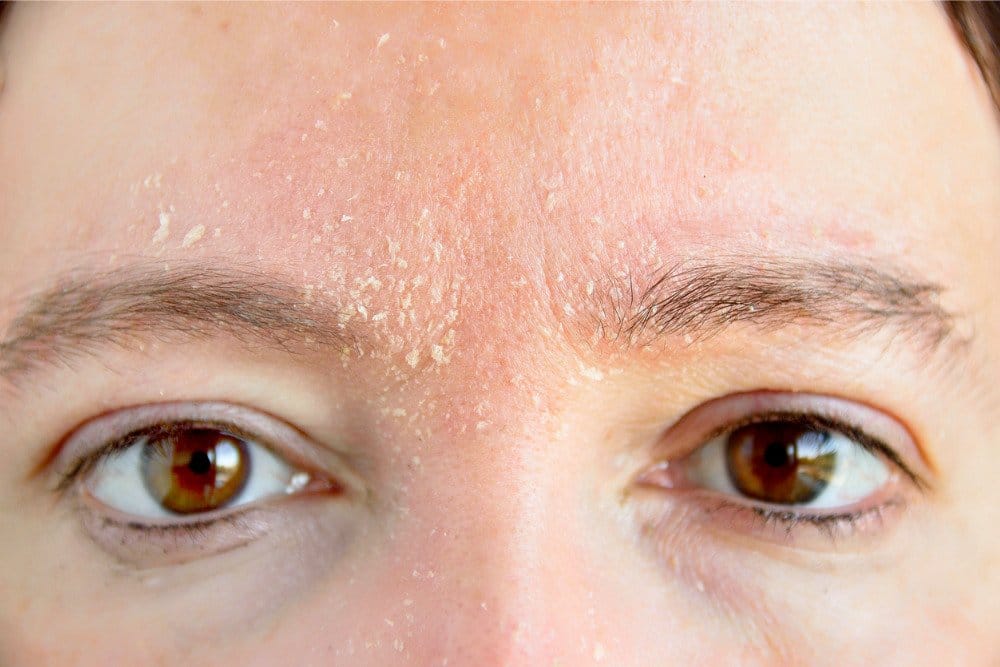
Dry skin is genetic. Your skin produces less sebum, so it lacks oil all year round. As a result, skin can feel tight, rough or flaky, even after moisturising. You may also notice dullness or fine lines on both the face and body.
Because oil is missing, dry skin absorbs products quickly, regardless of the season. Therefore, it benefits from richer textures and lipid-based formulas.
To support dry skin, you should use gentle cleansers and nourishing moisturisers. These help restore comfort and reduce ongoing tightness.
Dehydrated skin is a condition
Dehydrated skin lacks water, not oil. This means it can affect any skin type, including oily or acne-prone skin. It often appears suddenly, especially during winter.
Because water levels drop, skin can feel tight yet shiny. Breakouts may also appear. This usually happens because the wrong products disrupt hydration further.
To correct dehydration, your routine should focus on water-binding ingredients. These help attract and retain moisture within the skin.
How to Support Dry or Dehydrated Skin in Winter
Tip 1: Use the pinch test
Gently pinch the skin on your hand and release it.
If it takes a few seconds to bounce back, dehydration is likely.
However, if the skin looks creased, thin or rough, dryness is more likely.
This quick check helps guide your product choices.
Tip 2: Change your routine gradually
Sudden changes often irritate the skin, especially when dehydration is present. Therefore, adjust one product at a time. Let your skin respond before adding more.
Consistency matters more than complexity.
Tip 3: Treat more than just your face
Your face is not the only area affected by winter. Your lips, hands, under-eyes and body also lose moisture. As a result, hydration should be applied everywhere, not just on your face.
When your skin stays supported head to toe, it looks healthier overall.
When Professional Guidance Helps
If dryness or dehydration keeps returning, your skin may need more targeted support. A professional assessment helps clarify whether your concern is genetic dryness, seasonal dehydration, or both.
Once this is clear, treatment becomes more effective.
Take the next step
If your skin feels tight, dull or unpredictable during winter, a consultation can help. Understanding your skin type allows you to treat it properly, rather than guessing.