Skip to content

Fractional CO₂ vs Fully Ablative
Understanding the difference — and which option suits your skin
When comparing Fractional CO₂ vs Fully Ablative, it helps to know these treatments may share a name but behave very differently in the skin. Both use CO₂ energy to resurface and stimulate collagen, but the depth of injury, recovery time and risk profile vary. The right choice depends on your skin tone, concern severity and how much downtime you can tolerate.
Fully ablative CO₂: what it does
Fully ablative CO₂ removes the entire surface layer of skin in one session. Because it vaporises large areas of tissue, it triggers a strong wound response and a longer recovery period. Redness can persist for weeks or months, and the risk of post-inflammatory hyperpigmentation and scarring increases, particularly in deeper skin tones. While it can improve severe photoageing and deep lines, modern practice uses it less often because the complication risk is higher.
Fractional CO₂: what it does
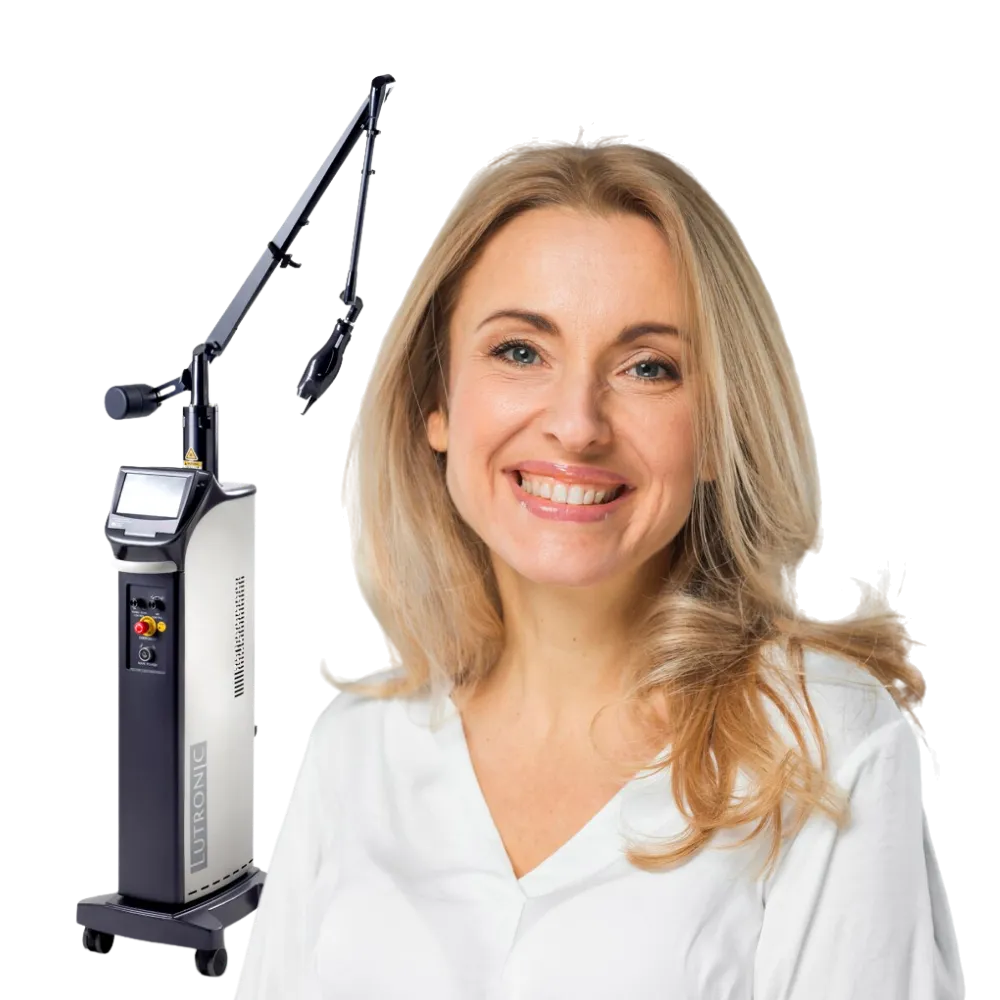
Fractional CO₂ treats the skin in microscopic columns rather than removing the full surface. Healthy tissue remains between treated zones, so the skin repairs itself more efficiently. As a result, downtime is shorter and risk is lower, while collagen stimulation builds gradually. This makes fractional systems more adaptable, including for Fitzpatrick IV to VI when settings and preparation are selected carefully.
Fractional CO₂ vs fully ablative: downtime and recovery
Recovery is often the deciding factor in Fractional CO₂ vs Fully Ablative. Fractional resurfacing typically involves a few days of redness and swelling, followed by progressive improvement over several weeks as collagen remodels. Fully ablative resurfacing often requires longer healing, stricter aftercare and has a higher chance of prolonged redness.
Fractional CO₂ vs fully ablative: results and skin concerns
Fractional CO₂ can improve fine lines, acne scarring, uneven tone, enlarged pores and mild to moderate laxity. Because it resurfaces and stimulates collagen at the same time, results look progressive and natural. Fully ablative CO₂ may suit a narrow group of patients with severe damage who accept extended downtime, but it requires careful selection and carries more risk.
Which option suits most people
In most cases, fractional technology offers a stronger risk-to-reward balance. It gives meaningful improvement with more manageable downtime and a safer profile across a wider range of skin tones. A consultation allows assessment of your skin type, concern severity and recovery tolerance before confirming the most appropriate plan.